The phone is still a vital tool for veterinary practices even when the office is closed. Pets can become sick at any time of the night, and clients can get stressed on weekends, and emergency calls seldom occur at a time that is convenient. These calls are often unanswered or redirected to voicemail. They may also be sent to an answering company that is not a specialist in the field. This can result in furry pet owners and anxiety for vets on the phone.
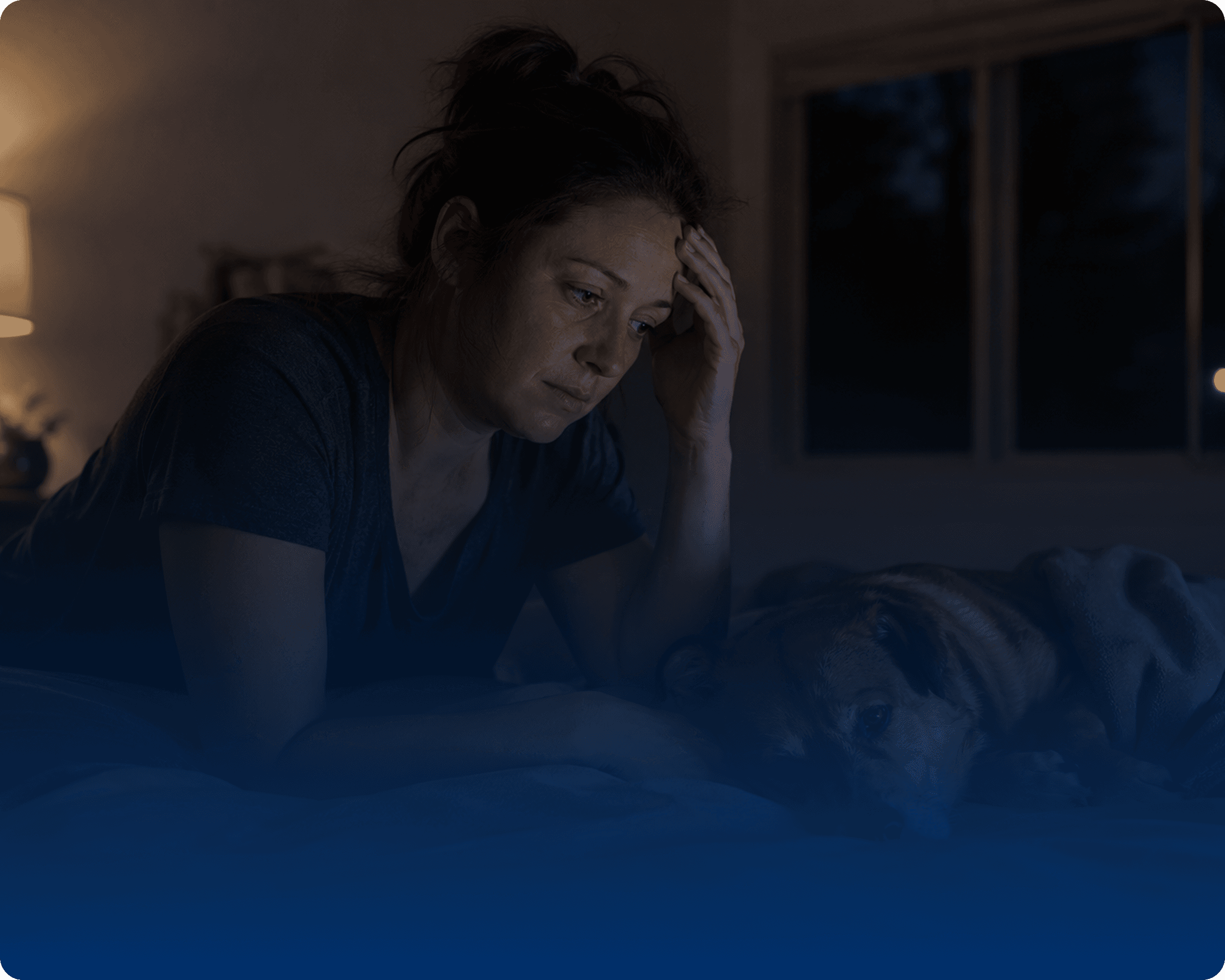
Image credit: guardianvets.com
That is why after-hours communication is now such an important element of veterinary operations. A good answering service for veterinary practices is more than just an answering service. It can help practices safeguard the relationship between clients and practices, help pet owners to the appropriate next step, and lessen the burden on internal staff members already stretched thin. After-hours service is not a luxury anymore in today’s world of veterinary medicine. It’s a part of the practice’s commitment towards continuity of the care.
Some answering solutions are not made for veterinary use.
There’s a huge distinction between an answering service that caters to vet hospitals as opposed to a general service. In a hospital environment answering phone calls after hours isn’t always simple. The patient might be concerned about post-surgical discomfort, toxicants, breathing changes, vomiting, or if the pet requires emergency medical attention. These types of situations go beyond simple relaying of messages. These situations require calm communication and judgment from someone who is well-versed in veterinary workflows.
GuardianVets is unique in this sense. Instead of functioning as a typical call center GuardianVets operates as a veterinary-focused support provider staffed by credentialed Veterinarian Technicians. That distinction matters. A trained technician can assess the nature of the call, follow the clinic’s triage and escalation protocols, help the pet owner understand the level of urgency, and direct them toward the right next step without stepping outside the boundaries of the veterinary-client-patient relationship.
Triage services for veterinary emergencies can help you make better decisions.
One of the biggest benefits of a true veterinary triage service is that it creates clarity in stressful moments. Pet owners rarely be aware of whether an issue can be put off until the morning, if they should schedule a follow-up or if they require emergency care immediately. In the absence of guidance, many fall to one of two outcomes either they rush to a hospital in an emergency or wait too long get medical attention.
It assists in closing this gap. It provides pet owners with an expert who can be a source of information, decreases confusion, and aids practices ensure that urgent cases are handled properly while concerns that are not urgently required are documented and properly routed. This helps vets avoid being interrupted by issues which do not really need doctor-level intervention after hours. This could have a major impact on work-life balance in hospitals, where doctors take on the burden of clinical care in the daytime while being on call during the night.
Call centers for veterinary practices should be able work in conjunction alongside your existing workflows and not work against them
A modern call center for veterinary medicine should not function as an unconnected service that is located outside of your practice. It should function as an extension to your team. That means knowing your appointment rules and emergency protocols, the escalation routes, and communication preferences. Also, it is important to integrate your PIMS system, so you can ensure that your triage notes and scheduling outcomes flow into the system already utilized by your staff.
GuardianVets was built around this concept. The process involves analyzing areas of call coverage that are not being covered by mapping how the client’s communication is done, and developing a workflow that reflects what is happening in the clinic rather than forcing the clinic into a rigid format. This is a big change from answering services that are traditional, which often stop at message capture and leave the clinic to sort it all out later.
The convenience of the service is increased by a better after-hours coverage
A reliable after-hours veterinary answering service can do more than reduce lost calls. It ensures that clients are not under stress, allows more patients in the network of the practice and helps teams more effectively manage demand during off hours. It can also increase revenues by turning weekend or overnight inquiries into scheduled appointments, rather than wasted opportunities.
It is essential to pet owners because it gives them peace of mind that there will be a person available to help them when in need. This type of assistance is crucial very much in veterinary medicine, since emergency calls aren’t just practical. These calls can be emotional. People worry about their beloved animal, and the reaction they get can influence their feelings about the experience even after the immediate issue is solved.
GuardianVets provides a unique model for hospitals who want to improve the quality of care for their clients and team health. This is different from standard veterinary answering services. It combines clinical triage, workflow integration, as well as compassionate communication, it helps practices stay in touch with their clients even when the doors to the clinic are shut.