Bottom-up processing refers to information processing where stimuli are processed starting from the bottom. It begins with the small details, then builds up to more complicated concepts. This is different from top-down processing where we begin to create an overall impression of a scene before we seek out specific evidence in the support of our initial assumption. A visual processor of an urban street could initially feel that it is noisy, chaotic and filled with people. To confirm this idea, they can then look for specific signs of this, such as pedestrians navigating through the crowds or noise coming from nearby cars.
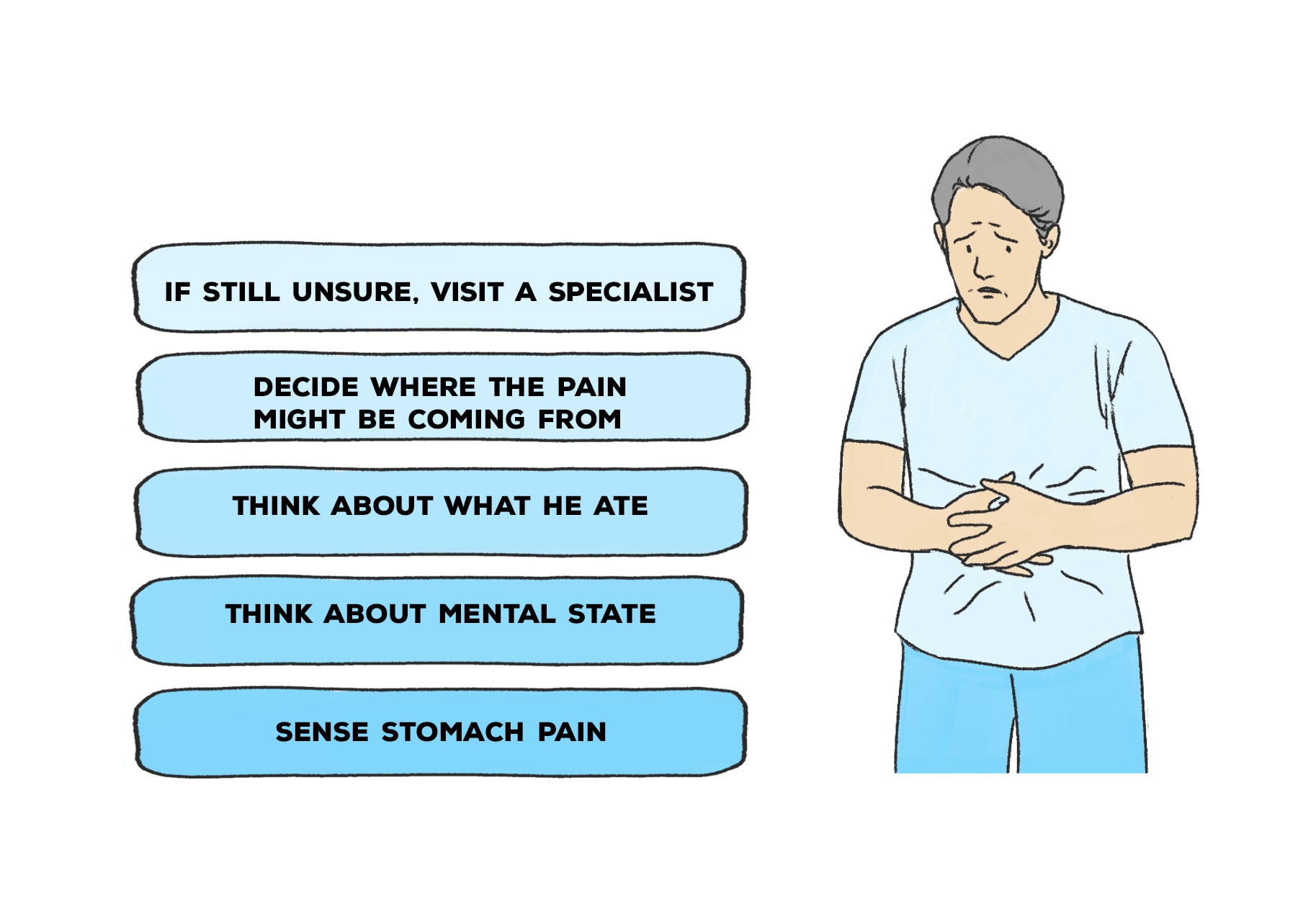
Because bottom-up processing tends be more data-driven and analytical, it has been widely examined in relation to specific cognitive taskslike memory and perception. But it could also play an important part in other fields, such as decision making and creative pursuits like design or art. Bottom-up processing can be utilized in a strategic and effective manner to solve more complicated issues and gain better insight into the underlying causes. Bottom-up processing, despite having received a bad rap in academic circles, is extremely useful to understand the world around us , as well as our own inner workings.
The brain’s intricate functions lie at the core of all our actions and thoughts. The brain is a complex organ that is a key component in our ability to think, memory and mood. Bottom-up processing is among the primary processes that affect brain function. This describes how information gets processed by the individual neurons or nerve cells and is then processed through interconnected neural pathways which ultimately affect higher cognitive functions such as attention and perception. This process has been demonstrated to be significant in affecting memory and learning. However, it could also prove beneficial in the treatment of conditions such as schizophrenia or Alzheimer’s. Understanding the mechanisms behind the bottom-up processing of brain function may help us unlock many of the mysteries that underlie the brain’s function. This could lead to revolutionary new technologies in neuroscience health, as well as other fields.
Bottom-up processing is how our brain processes information. In contrast to top-down processing, which is more focused on incorporating expectations and previous knowledge into the process of learning. Bottom-up processing is dependent on fresh and raw data. Bottom-up processing is beneficial to all learners. It focuses on specific aspects of learning, starting with basic vocabulary and sounds up to more sophisticated concepts and ideas.
Bottom-up processing offers a major advantagethat allows us to step back and focus on every element of information we encounter. This keeps us interested and excited to master new concepts, refine existing ones, or recognize the potential for improvement. In order to better understand the content, we should additionally highlight how the concepts are linked through networks and logical chains. Bottom-up processing can help us develop as better learners and efficient communicators through bottom-up processing.
For more information, click Bottom up processing