Before anyone could put the Megalodon tooth on a shelf, take a picture of it, or even study its sharp edge, the tooth was engaged in something much more gruelling. It was one of the biggest predatory sharks to ever live in the oceans on Earth. The tooth fell out. That would be it for the majority of things. For a fossil this could be the beginning.
Fossil Driven offers specimens that have been through geological processes not measured in years or centuries rather in millions. The understanding of this journey alters the perception of viewing a fossil. You are no longer looking at an amazing object. You’re taking a look at physical evidence of the past.
The First Station: An Ancient Ocean
Take a look at the Megalodon molars found in West Java, Indonesia. Approximately 20 million years ago areas of dry land that we see today were warm marine environments. Megalodons, as well as a variety of different marine species, resided in the prehistoric seas.
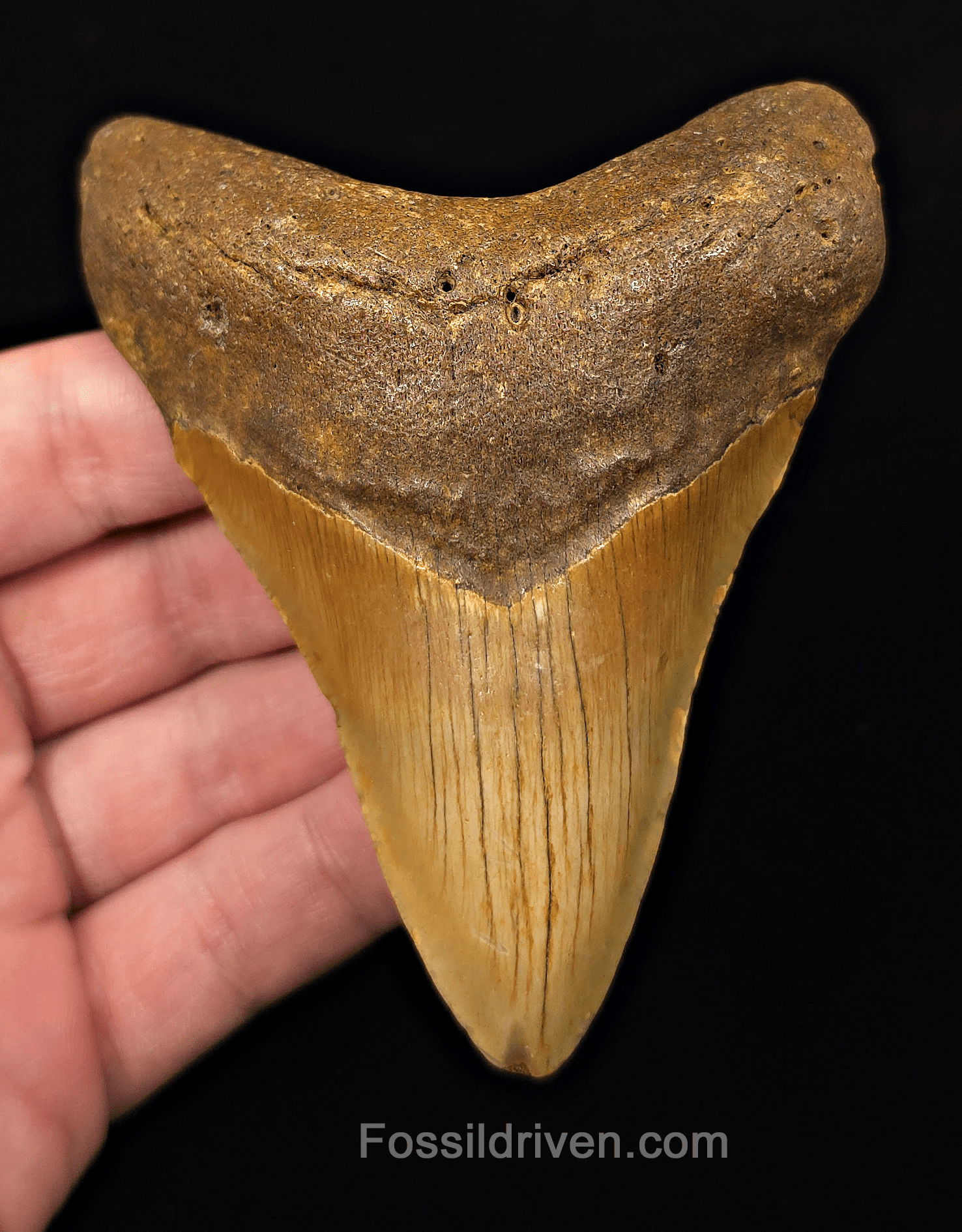
Image credit: fossildriven.com
Like modern sharks Megalodon constantly produced and lost teeth. Some of those teeth were later buried in marine sediments. If conditions are right burial can protect them until they are fossilized.
Then, Geology took over
The following chapter went by incredibly slow. Sediments accumulated. Minerals react with the material that was buried. Geological forces altered the landscape, and submerged habitats eventually became part of our land. Those processes help explain something shoppers immediately notice when looking at megalodon teeth for sale: genuine fossil teeth can have dramatically different colors.
Indonesian specimens in West Java’s Miocene Bentang Formation are typically brown, golden, tan blue, red or black. Some exhibit a variety of shades on a single tooth. The environment surrounding a specimen could affect the coloration of a specimen after a lengthy burial. Nature cannot replicate the results in the mass. Every fossil has had an evolution in geology.
Discovery Begins A New Chapter
Finally, a buried fossil dated to millions of years old is discovered. Identification and documentation are now crucial.
When collectors of megalodons search through authentic teeth that are available for sale they don’t focus only on appearance. The information about the locality as well as the age of the geological formation, preservation, repairs and restoration can assist in understanding what the collectors actually are considering.
Natural wear doesn’t erase the history of a fossil. It’s possible that the worn tip or imperfect root, as well as an insufficient serration, are all a part of the fossil’s history. It is crucial to represent its condition accurately.
Fossil Driven has more than 13 years of expertise in fossil identification. We work with established suppliers and fossil hunter. The specimens are reviewed and explained using relevant information when possible.
The Fossil Will Reach Someone’s Hands
Real Fossils are bought for a variety of different reasons. Some individuals build a meticulously classed collection. Certain people prefer one striking piece to provoke conversation. A child interested in prehistoric animals might be presented with the first fossil of its kind that sparks interest in paleontology.
Megalodon’s teeth are just one option to enter this world. Dinosaur tooth and mosasaur teeth, trilobites and ammonites, together with mammoth, amber and ammonite material preserve diverse chapters in the history of Earth.
The best thing about it is knowing that it’s real
A replica can recreate the general shape of a tooth from the past. It’s not able to replicate its past. It is impossible to reproduce its history.
This is why authenticity is so important. You are holding a fossil which has created a virtually unimaginable trip through the ages. The latest stop of the fossil is in the display case.